Introduction
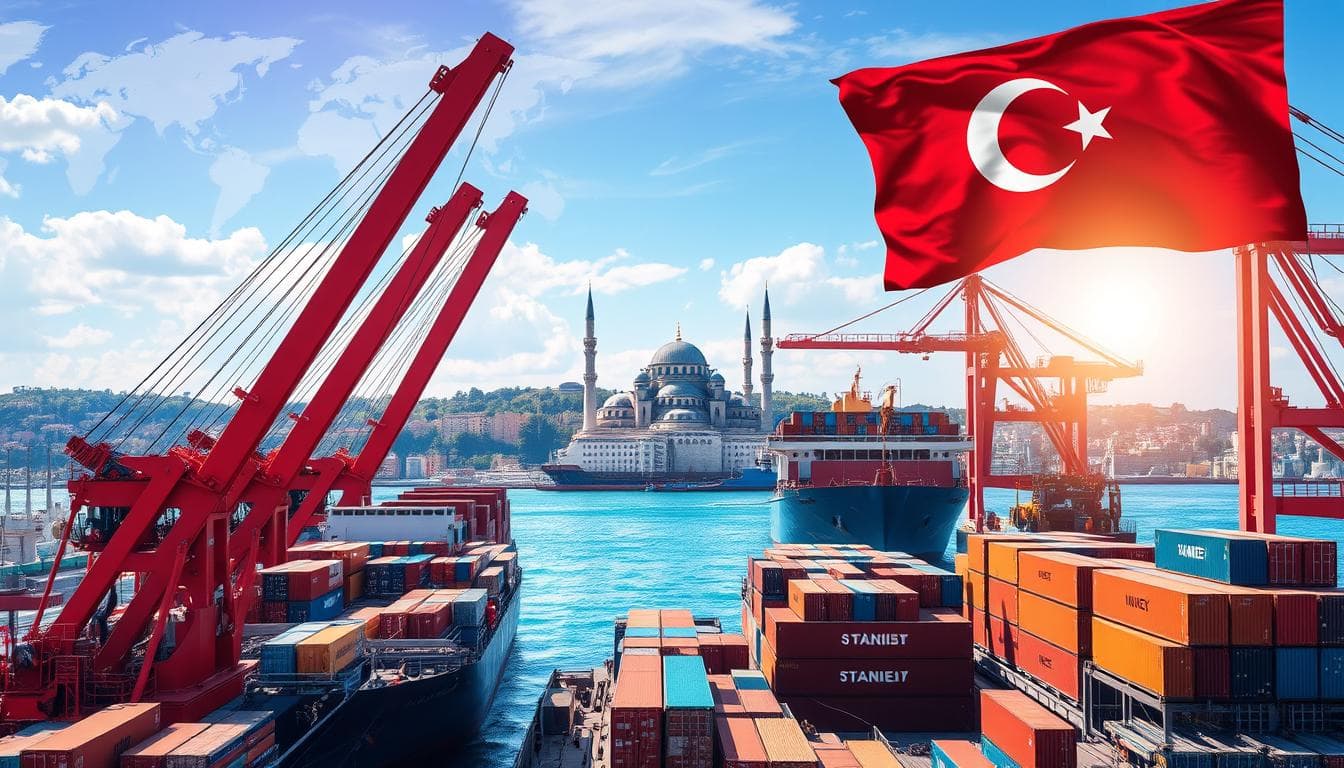
Turkey's position as a bridge between East and West has made it a pivotal player in global trade. As we navigate the current economic landscape, several significant trends are reshaping how Turkish companies conduct international business.
1. Digital Transformation in Trade
The adoption of digital technologies is accelerating across the Turkish trade sector. From electronic documentation to blockchain-based tracking systems, businesses are embracing tools that streamline operations and enhance transparency. This digital shift is reducing paperwork, cutting processing times, and improving accuracy in international transactions.
2. Sustainability Takes Center Stage
Environmental consciousness is no longer optional in global trade. Turkish exporters are increasingly adopting sustainable practices, from eco-friendly packaging to carbon-neutral shipping options. Companies that prioritize green logistics are finding new opportunities with environmentally conscious buyers in Europe and beyond.
3. E-Commerce Expansion
The growth of cross-border e-commerce is creating new channels for Turkish products to reach international consumers. Small and medium enterprises are leveraging online platforms to access markets that were previously difficult to penetrate, bypassing traditional distribution barriers.
4. Regional Trade Agreements
New trade agreements and partnerships are opening doors for Turkish businesses. Enhanced cooperation with neighboring regions and strategic trade deals are creating preferential access to growing markets, particularly in the Middle East, Africa, and Central Asia.
5. Supply Chain Resilience
Recent global disruptions have highlighted the importance of resilient supply chains. Turkish companies are diversifying their supplier networks, building strategic inventory reserves, and developing contingency plans to ensure business continuity.
6. Value-Added Manufacturing
Turkey is moving up the value chain, shifting from basic manufacturing to higher-value production. This evolution is reflected in exports of sophisticated machinery, advanced textiles, and innovative products that command premium prices in international markets.
Conclusion
These trends present both challenges and opportunities for businesses engaged in Turkish trade. Companies that adapt to these changes and leverage them strategically will be well-positioned for success in the evolving global marketplace.
Tags
Ahmed Yilmaz
Trade Analyst
Expert in international trade and logistics with years of experience helping businesses navigate global markets.